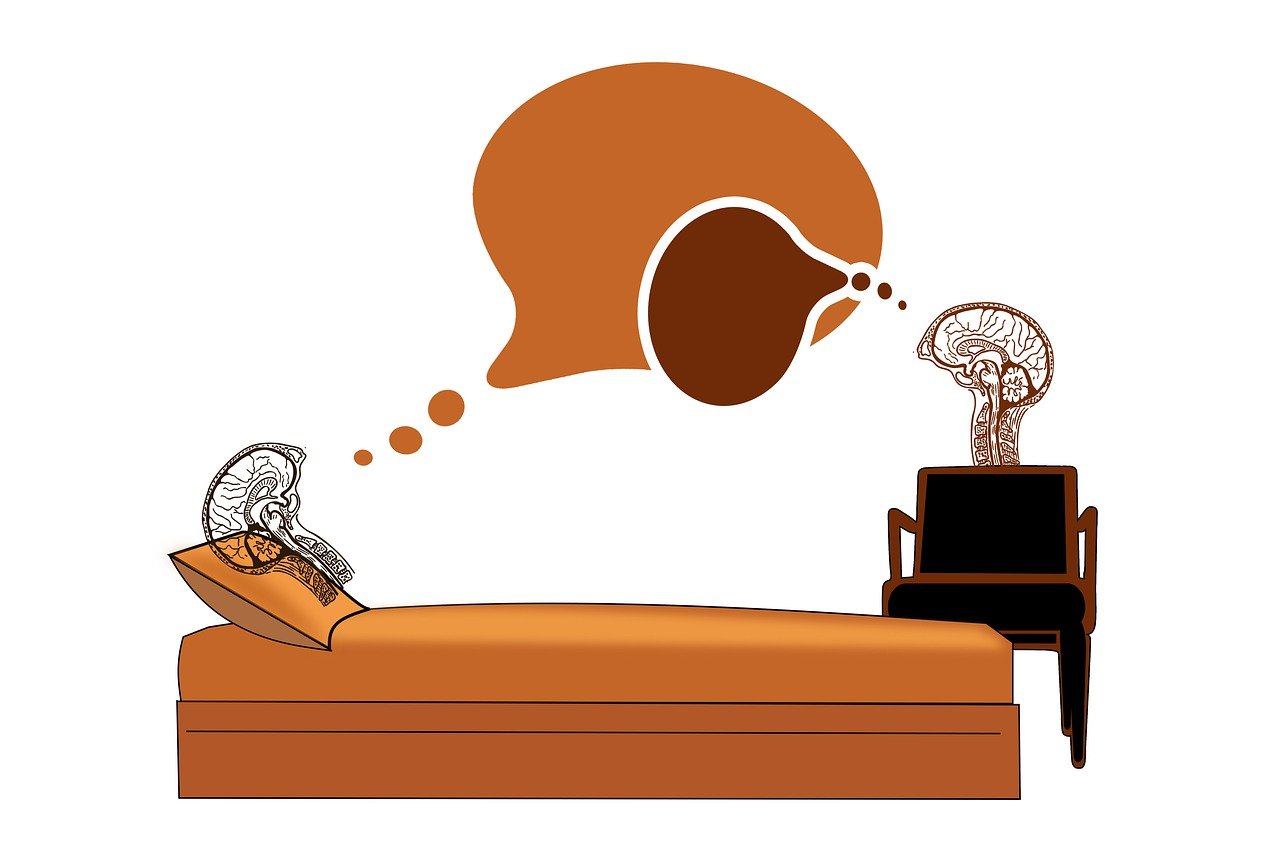
Millennials, particularly those aged 20-30, face unique challenges that contribute to heightened levels of anxiety and social isolation. These challenges are exacerbated in individuals with comorbid conditions, such as depression, ADHD, or chronic illnesses. Online therapy offers a flexible and accessible solution for addressing these mental health issues. This article explores the efficacy of online therapy in combating anxiety and isolation among millennials with comorbid conditions, highlighting its benefits and potential for enhancing mental health outcomes.
Introduction
Anxiety disorders and social isolation are significant issues among millennials, particularly those aged 20-30. This age group often experiences high levels of stress due to academic, career, and personal pressures. When compounded with comorbid conditions such as depression, ADHD, or chronic physical illnesses, these challenges can become overwhelming. Traditional in-person therapy may not always be feasible or appealing for millennials due to time constraints, financial barriers, or stigma. Online therapy provides an innovative approach to mental health care, offering convenience, accessibility, and personalized treatment options. This paper examines how online therapy can effectively address anxiety and isolation in millennials with comorbid conditions.
Understanding the Millennial Experience
Unique Stressors
Millennials face a variety of stressors that contribute to anxiety and social isolation. These include the pressures of achieving academic and career success, financial instability, and the pervasive influence of social media. These stressors can lead to heightened levels of anxiety and feelings of inadequacy or loneliness (Twenge, 2013).
Comorbid Conditions
Many millennials also contend with comorbid conditions that complicate their mental health. Depression, ADHD, and chronic illnesses are prevalent among this demographic, further exacerbating their anxiety and isolation (Hunt & Eisenberg, 2010). Comorbid conditions can hinder social functioning, academic performance, and overall quality of life, making it crucial to address these issues comprehensively.
Barriers to Traditional Therapy
Several barriers prevent millennials from accessing traditional in-person therapy. These include time constraints due to busy schedules, financial limitations, and the stigma associated with seeking mental health treatment. Additionally, the lack of accessibility to culturally competent providers can deter millennials from pursuing therapy (Eisenberg et al., 2007).
Benefits of Online Therapy
Accessibility and Convenience
Online therapy offers a flexible solution that fits into the busy lives of millennials. It eliminates the need for travel, allowing individuals to access therapy from the comfort of their own homes. This convenience is particularly beneficial for those with comorbid conditions that make it difficult to attend in-person sessions regularly (Andersson et al., 2014).
Anonymity and Reduced Stigma
The perceived anonymity of online therapy can help reduce the stigma associated with seeking mental health treatment. This can encourage millennials who might otherwise be reluctant to seek help to engage in therapy (Musiat et al., 2014).
Tailored Interventions
Online therapy platforms often offer a range of therapeutic modalities, including Cognitive Behavioral Therapy (CBT), Acceptance and Commitment Therapy (ACT), and mindfulness-based interventions. These approaches can be tailored to address the specific needs and comorbid conditions of millennials, providing personalized and effective treatment (Andrews et al., 2010).
Enhanced Engagement
The use of technology in online therapy can enhance engagement through interactive tools, digital resources, and real-time communication with therapists. This can be particularly appealing to tech-savvy millennials who are accustomed to digital interactions (Sucala et al., 2012).
Effective Online Therapy Approaches
Cognitive Behavioral Therapy (CBT)
CBT is a widely used and effective treatment for anxiety disorders. Online CBT programs can help millennials identify and challenge irrational thoughts, develop coping strategies, and improve their overall mental health (Andrews et al., 2010).
Acceptance and Commitment Therapy (ACT)
ACT focuses on helping individuals accept their thoughts and feelings while committing to behavior changes that align with their values. This approach can be particularly useful for millennials dealing with anxiety and comorbid conditions, as it promotes psychological flexibility and resilience (Hayes et al., 2006).
Mindfulness-Based Interventions
Mindfulness practices, such as Mindfulness-Based Stress Reduction (MBSR), can help individuals manage anxiety by fostering present-moment awareness and reducing reactivity to stressors. Online mindfulness programs can be easily integrated into daily routines, making them accessible for busy millennials (Chiesa & Serretti, 2011).
Psychoeducation and Support Groups
Online platforms can provide valuable psychoeducational resources about anxiety and comorbid conditions, empowering millennials to understand and manage their symptoms. Additionally, online support groups offer a sense of community and peer support, which can alleviate feelings of isolation and provide mutual encouragement (Griffiths et al., 2012).
Challenges and Considerations
Technological Barriers
Despite the benefits of online therapy, some individuals may face technological barriers, such as limited access to devices or reliable internet connectivity. Addressing these barriers is essential to ensure equitable access to online mental health care (Baumeister et al., 2014).
Privacy and Security
Ensuring the confidentiality and security of online therapy sessions is crucial. Robust data protection measures must be in place to safeguard clients’ privacy and maintain their trust (Barak et al., 2008).
Building Therapeutic Alliance
Establishing a strong therapeutic alliance can be challenging in a virtual setting. Therapists must adapt their communication strategies to build rapport and trust with their clients effectively (Sucala et al., 2012).
Conclusion
Online therapy offers a promising solution for addressing anxiety and social isolation among millennials, particularly those with comorbid conditions. Its accessibility, flexibility, and potential for personalized treatment make it an attractive option for this demographic. By leveraging the advantages of online platforms, mental health professionals can provide effective support that empowers millennials to manage their anxiety and improve their overall well-being. As technology continues to evolve, the potential for online therapy to enhance mental health care and promote equity will only grow.